As the COVID-19 coronavirus continues to change daily life, both the public and private sectors have stepped up with tech innovations to ease the transition and save lives. The speed of these innovations, however, seemingly outpace our ability to keep up with what new tech is available.

The Department of Labor (DOL) is planning to reauthorize data collection for the Unemployment Insurance (UI) IT Modernization Pre-Implementation Planning checklist, which states use before “going live” with a new UI Benefits and/or tax system.

State CIOs say their top barriers to innovation are lack of funding, workforce skills, and time, according to a new report from the National Association of State Chief Information Officers (NASCIO) and Accenture.

Over the last few months, there has been a significant leadership shakeup in state and local governments across the country.

According to NASCIO’s 2018 State CIO Survey, 75 percent of state CIO organizations plan to expand an IT shared services model over the next three years.

The National Association of State Chief Information Officers (NASCIO) today announced 30 finalists for its State IT Recognition Awards.
State and local government information technology (IT) officials spoke about their progress modernizing IT service and customer service delivery at ServiceNow’s Knowledge 2019 conference on May 8.
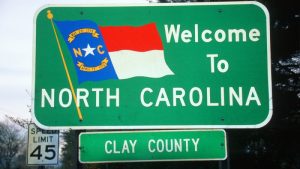
North Carolina is consolidating and optimizing enterprise IT functions across the state. The goal is to achieve economies of scale, gain new analytical capabilities, and deliver unique experiences for state agencies and divisions.

Alongside state governments across the United States, Ohio Department of Administrative Services (DAS) is an IT service broker for a series of state agencies, helping to achieve economies of scale. Over the past five years, the team led by Renee Evans, enterprise service management program administrator for Ohio DAS Office of Information Technology (OIT), has modernized its systems to track costs and IT service consumption, invoice for service usage, and has given service owners and end users significantly improved visibility into IT usage trends.

The New York State Office of the Comptroller’s IT team wanted to deploy new processes and tools to address their 3,000 employee’s IT service requests, recognizing that delays impact both employees and the citizens they serve.