Springfield Public Schools in Massachusetts confirmed that cybercriminals stole data involving current and former staff and students during the September cyberattack. The district continues a phased recovery that includes reimaging thousands of laptops, according to a Sept. 30 update from the district.
Springfield Public Schools in Massachusetts closed for a second consecutive day on Sept. 9 as officials worked to contain a severe cyber incident that disrupted systems needed for essential school operations, including access to student medical records.

The White House-led pilot will test a public-private approach to protecting critical water infrastructure from growing cyber threats.
Meghan Cook has stepped in as New York’s next chief cyber officer, taking over the role from Michaela Lee, according to both of their LinkedIn profiles.

California Gov. Gavin Newsom announced on Aug. 10 a new artificial intelligence (AI) cyber defense initiative aimed at protecting state systems, local governments, and critical infrastructure from AI-enabled cyber threats.
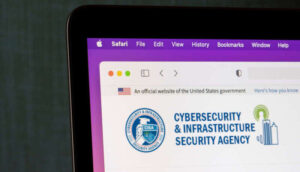
CISA’s new resources outline eight cybersecurity objectives to help K-12 schools and districts strengthen their defenses against growing cyber threats.

The legislation would give EPA new authority to assess cyber risks and require fixes at water utilities while boosting federal cybersecurity funding.
Cyber agencies warn that Gunra ransomware affiliates are exploiting internet-facing vulnerabilities to steal and encrypt data across critical infrastructure sectors.

New York Gov. Kathy Hochul announced on Aug. 3 more than $9 million in cybersecurity grants for 153 local government water and wastewater projects across the state, funding assessments and security upgrades aimed at protecting critical infrastructure from cyber threats.
California Gov. Gavin Newsom released an updated statewide cybersecurity strategy on July 31 to help executive branch agencies address artificial intelligence (AI)-enabled attacks, modernize security tools, and protect essential public services.