
A new statewide artificial intelligence (AI) research program will provide $5 million in competitive funding for projects intended to produce measurable public benefits for Utah.
Attorneys general from Utah and North Carolina are launching an artificial intelligence (AI) task force in partnership with OpenAI and Microsoft that will develop voluntary guardrails for AI developers in an aim to ensure public safety.
The Utah Department of Commerce has launched the Office of Artificial Intelligence Policy (OAIP).
Utah Gov. Spencer Cox has nominated four tech company executives and two board members of technical institutions to serve on the Utah Board of Higher Education. The nominations are subject to approval by the Utah Senate.
A new report by Utah’s Office of the Legislative Auditor General found that cybersecurity planning and training is lacking across multiple branches of the state government.
Joining Maryland, Nebraska, and South Dakota, five additional states have banned the social media platform TikTok from government devices.
The nonprofit Results for America has recognized eight states – Colorado, Minnesota, Tennessee, North Carolina, Pennsylvania, Washington, Utah, and Connecticut – for their achievements in using data-driven and evidence-based policymaking to “accelerate economic mobility, advance equity, and deliver better results for their residents.”
Utah’s courts will rely on an algorithm to implement the state’s Clean Slate Law, which automatically expunges old and minor criminal records of individuals who have remained crime free for a set period of time.
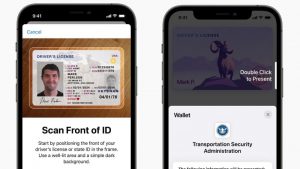
Eight states – Arizona, Connecticut, Georgia, Iowa, Kentucky, Maryland, Oklahoma, and Utah – will offer residents digital driver’s licenses for Apple devices.

Utah is the latest state to take a shot at creating a mobile Driver’s License for citizens and purports to be the first mobile license to incorporate privacy and security standards, the pilot program announcement states.
Stay Connected

